


20 products






FAQs
The most successful stationery stores are built around a buyer identity, not a product type. A store themed around “gifts for book lovers” can legitimately sell hardcover journals, folded cards, bookmarks, and wrapping paper because every product serves the same customer. Trying to sell everything to everyone produces a store that feels unfocused. Pick a persona first, then select the products that naturally fit that person’s life.
The JournalBooks Ambassador is a recognized brand name that carries its own buyer trust, which matters on platforms where shoppers filter by brand. The standard Hardcover Journal offers a wraparound cover print with ruled or blank pages, giving more design flexibility. If your audience values aesthetics and custom artwork, the standard journal wins. If you are selling into a corporate gifting or professional context where brand recognition adds credibility, the Ambassador version is the stronger choice.
Foil printing is one of the few techniques a buyer genuinely cannot replicate at home, which makes it feel premium in a way digital printing alone does not. Foil Cards work best for occasions where the card itself is part of the gift experience, such as weddings, milestone birthdays, or luxury brand thank-you notes. Positioning them as “the card that matches the gift” rather than an afterthought captures buyers already spending on a premium experience.
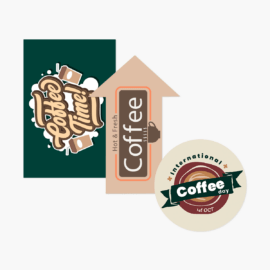
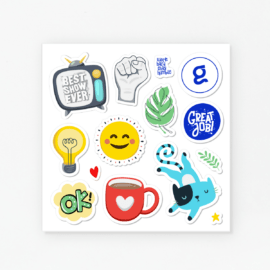
The sticker market is saturated at the generic level but wide open at the niche level. A seller listing “cute stickers” competes with hundreds of thousands of listings. A seller listing “dark humor stickers for nurses” or “vintage botanical stickers for journaling” competes with almost nobody. Sticker buyers are also collectors with high repeat purchase rates, which means a well-niched sticker store generates more returning customers than almost any other stationery product.
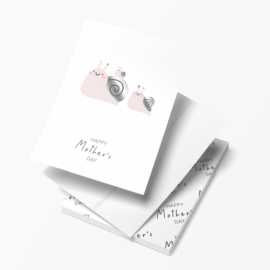
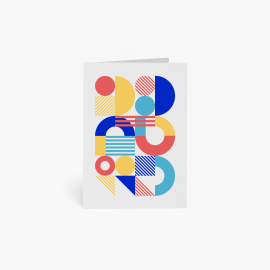
Flat Cards are single-panel and work best for postcards, announcements, and minimalist designs where the artwork needs uninterrupted space. Folded Cards have an interior surface that creates a natural writing space, making them the default choice for greeting cards, thank-you notes, and any occasion where a personal message is expected. Buyers shopping for greeting cards almost always expect a folded format, while buyers shopping for invitations or announcements are often open to either.
Social media unboxing culture is the primary driver. When the wrapping is photographed and shared before the gift is even opened, the presentation becomes part of the gift itself. Custom wrapping paper sells year-round for weddings, baby showers, and birthdays, not just during the winter holidays. The strongest positioning angle is not “custom wrapping paper” but “wrapping that matches the gift,” targeting buyers who are already spending on something premium and want the entire experience to feel intentional.
This product targets the nostalgia and memory gifting market, where the emotional value of the item far exceeds its material cost. A set of vintage-style photos presented in a wooden box reads as a curated keepsake rather than a printed product, which allows for significantly higher pricing. The buyer is typically someone commemorating a relationship milestone, a family reunion, or a personal achievement, and they are shopping for something that feels handcrafted and intentional rather than mass-produced.
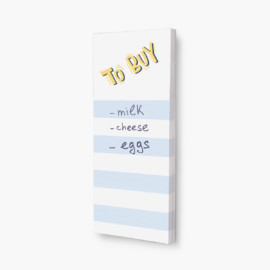
Yes, because they solve different problems. Photo Notepads are a desk or gifting product where the design is the primary appeal. Magnetic Notepads are a functional kitchen or workspace product that stays visible on a fridge or metal surface, which means they get used daily and seen by everyone in the household. A seller targeting home organization buyers should lead with the magnetic version. A seller targeting gift buyers or stationery enthusiasts should lead with the photo notepad.
Guest Registries are a low-volume but high-margin niche with almost no competition in the POD space. The buyer is typically planning a wedding, baby shower, or milestone celebration and wants a keepsake that doubles as a functional sign-in book. Because the purchase is tied to a specific event, buyers are less price-sensitive and more focused on design quality and personalization. A well-designed guest registry listing targeting wedding or baby shower keywords can generate consistent sales without competing in a crowded market.
Stickers and notepads are the clear leaders for repeat purchases. Sticker collectors return for new designs regularly, and notepads are consumable products that run out and need replacing. Journals and notebooks also generate repeat buyers, but on a longer cycle. The highest-value repeat purchase strategy is building a sticker subscription concept, where buyers return monthly for a new themed pack, turning a one-time transaction into a recurring revenue stream.
Custom Office & Stationery for Print on Demand
Journals, Notebooks, Cards, Stickers, Notepads, and More
Stationery is one of the few POD categories where a buyer returns regularly. Stickers run out. Notepads get used up. A customer who loves your journal design will come back for the next one. That repeat purchase behavior is rare in print on demand, and it’s worth building around.
The catalog covers hardcover journals, spiral notebooks, folded and flat cards, kiss cut stickers, photo and magnetic notepads, wrapping paper, guest registries, foil cards, bumper stickers, wall and floor decals, photo books, and retro print sets. Products use Inkjet Digital Printing, Foil Printing, UV Inkjet, and Toner Press depending on the item. Ships worldwide, integrates with Shopify, Etsy, WooCommerce, TikTok Shop, and BigCommerce.
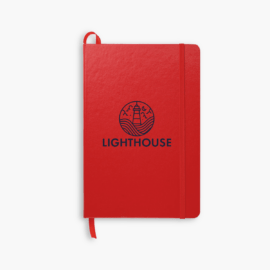
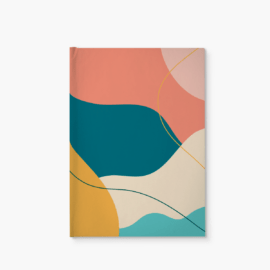
Journals and Notebooks: JournalBooks Ambassador vs. Standard Hardcover
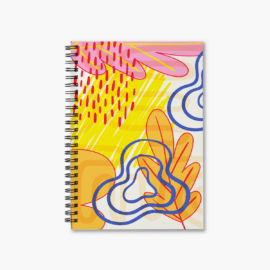
The Hardcover Journal offers a wraparound cover print with ruled or blank pages across 128 pages. Full design control, strong visual impact, good for stores where the artwork is the selling point.
The JournalBooks Ambassador is a recognized brand name that carries its own buyer trust, which matters in corporate gifting or professional contexts. If your audience is a gift buyer or a stationery enthusiast, the standard journal wins on aesthetics. If you’re targeting B2B or bulk orders, the Ambassador adds credibility.
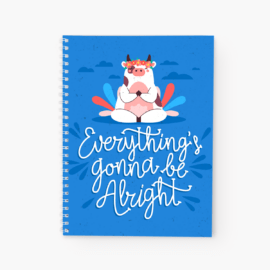
The Spiral Notebook in ruled or graph format with 120 pages covers the student and professional market. Graph format specifically serves architects, designers, and anyone who sketches or plans on paper.
Cards: Foil, Folded, and Flat for Different Occasions
Foil Cards with gold and silver foil are one of the few products a buyer genuinely cannot replicate at home. They work best when the card is part of the gift, not an afterthought. Weddings, milestone birthdays, luxury brand thank-you notes. The gold and silver options make seasonal targeting straightforward.
Folded Cards in 4 paper options and 4 sizes are the default for greeting cards and any occasion where a personal message is expected. Flat Cards in 5 sizes work better for announcements, postcards, and minimalist designs where the artwork needs uninterrupted space.
Stickers: Kiss Cut in 6 Sizes and 9 Pack Options
The sticker market is saturated at the generic level and open at the niche level. “Cute stickers” competes with hundreds of thousands of listings. “Dark humor stickers for nurses” or “vintage botanical packs for journaling” competes with almost nobody.
The 9 pack options allow single stickers as entry-level products and curated packs as higher-value bundles. Sticker buyers are collectors with high repeat purchase rates, which makes a well-niched sticker store one of the more reliable recurring revenue plays in this catalog.
Notepads, Wrapping Paper, and Guest Registries
Photo Notepads are a desk and gifting product where the design drives the purchase. Magnetic Notepads are a functional kitchen item that stays visible on the fridge daily. Different buyers, different positioning.
Wrapping Paper is trending because unboxing culture made the packaging part of the gift. Demand is year-round: weddings, baby showers, birthdays, corporate gifting. The angle that converts is “wrapping that matches the gift,” not “custom wrapping paper.”
Guest Registries with 122 laminated pages are a low-competition, high-margin niche. The buyer is planning a wedding or baby shower and wants a keepsake that functions as a sign-in book. Almost no POD sellers target this product seriously, which is exactly why it’s worth listing.
Building a Store Around a Buyer, Not a Product Type
The stationery stores that work are built around a persona, not a product list. A store for book lovers can sell journals, folded cards, stickers, and wrapping paper because every item serves the same customer. A store that sells everything to everyone looks unfocused and converts poorly.
Pick the buyer first. The products follow naturally from there.
Show More
Scale confidently without the cost or complexity


